Modern assisted reproductive technologies offer a chance to become parents to almost everyone, regardless of their health conditions and age.
Welcome to the “You will be a mom” IVF Center in Tashkent
The happiness of motherhood
Book an appointment
The clinic’s consultants will be happy to answer your questions and make an appointment with the right specialist.


Why should you choose IVF center You will be a mom?
The directions in our clinic are an individual selection of the best European practices and therapy practices for each patient.
Our center’s specialists assist in the diagnosis, select and implement treatment programs for women and men. We work with assisted reproductive technologies such as artificial insemination, ICSI, IVF and others.
In addition, we help with transfers from other clinics.
We have highly qualified and experienced specialists: gynecologists, reproductologists, endocrinologists, andrologists, and urologists.
Doctors not only successfully cope with infertility problems, but also help to take care of male and female reproductive health.
2019
The year of the clinic’s opening
750
IVF cycles per year
550+
Children born
33
Specialists
To date, IVF, or in vitro fertilization, is the most effective technology for overcoming infertility. IVF helps infertile couples realize their dream of having children and becoming parents of the desired child, despite their health problems.

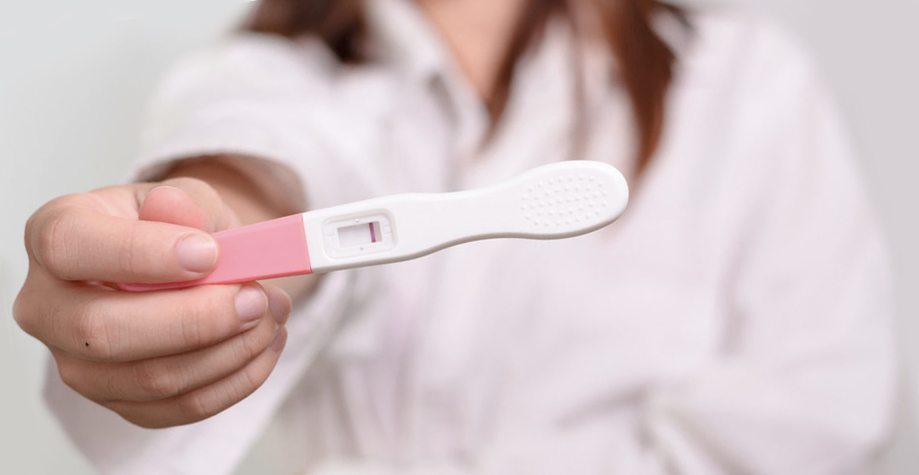
The female factor of infertility is divided as follows: cervical, uterine, ovarian, tubal factor, and a possible cause of unclear etiology. Despite the fact that chronic stress, anxiety, and depression make it difficult to predict pregnancy, the evidence gathered to date is insufficient to isolate these causes into a separate group.
Online booking
The clinic’s consultants will be happy to answer your questions and make an appointment with the right specialist.
When we analyze the factors that cause infertility by gender, 40-50% of the factors related to men’s health come to the fore. There can be many different causes of male infertility. Genetic problems, abnormalities that occur during childbirth, hormonal problems, chemical factors, inflammatory diseases, varicocele and surgical operations lead to male infertility.
Online booking
The clinic’s consultants will be happy to answer your questions and make an appointment with the right specialist.




You will be a mom” IVF Clinic #believeinmiracles
Modern technologies are an essential component of effective treatment. We do everything for your safety: modern equipment in the operating room, embryological and andrological laboratories, expert-class ultrasound machines and even more! In our IVF clinic, the technology of biomaterial procedures involves constant double control over its belonging to a particular patient and compliance with the necessary regulations for manipulating the embryo at all stages of in vitro fertilization.
Founder and head of the clinic
Maksudova Mukhayyo Mansurovna
Our specialists

Obstetrician-gynecologist, reproductive specialist
Experience: 35 years

Obstetrician-gynecologist, reproductive specialist
Experience: 33 years
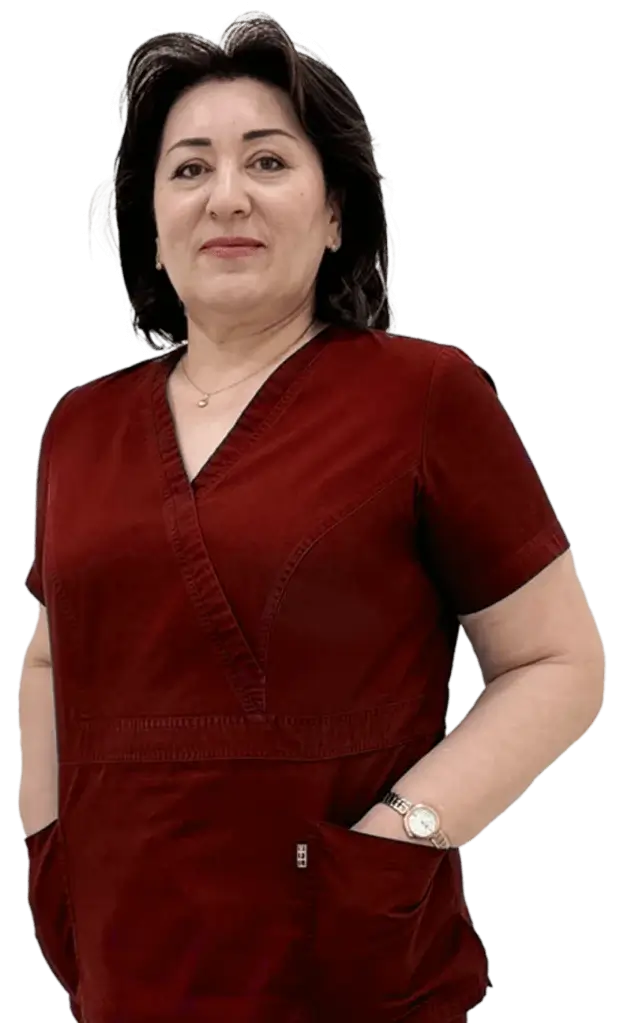
gynecologist-endocrinologist
Experience: 32 years

anesthesiologist
Experience: 32 years

Obstetrician-gynecologist
Experience: 30 years

Rheumatologist
Experience: 20 years

Prenatologist
Experience: 20 years
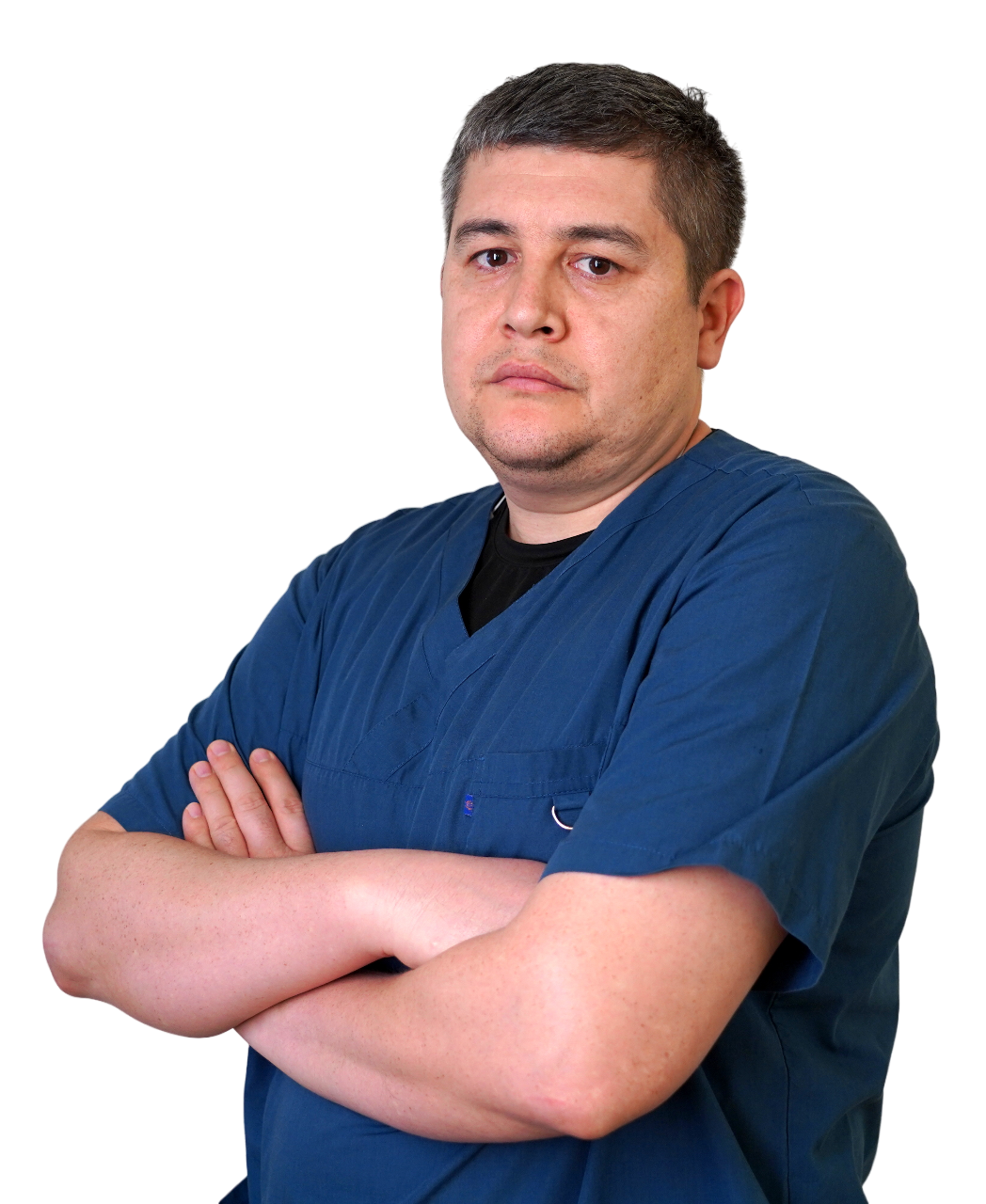
Endosurgeon
Experience: 18 years
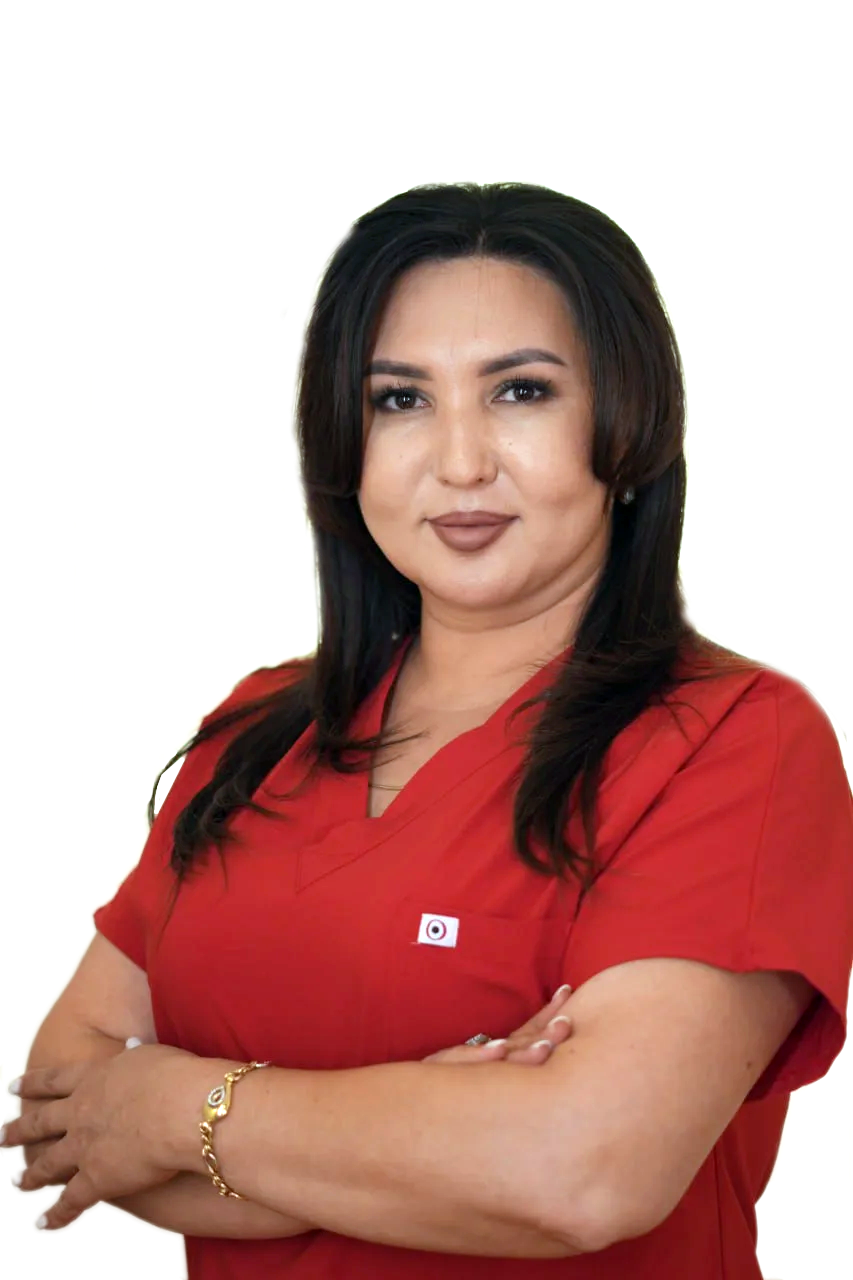
Gynecologist-endocrinologist
Experience: 17 years
Obstetrician-gynecologist, reproductive specialist
Experience: 16 years

Obstetrician-gynecologist, reproductive specialist
Experience: 16 years

Urologist-andrologist
Experience: 14 years
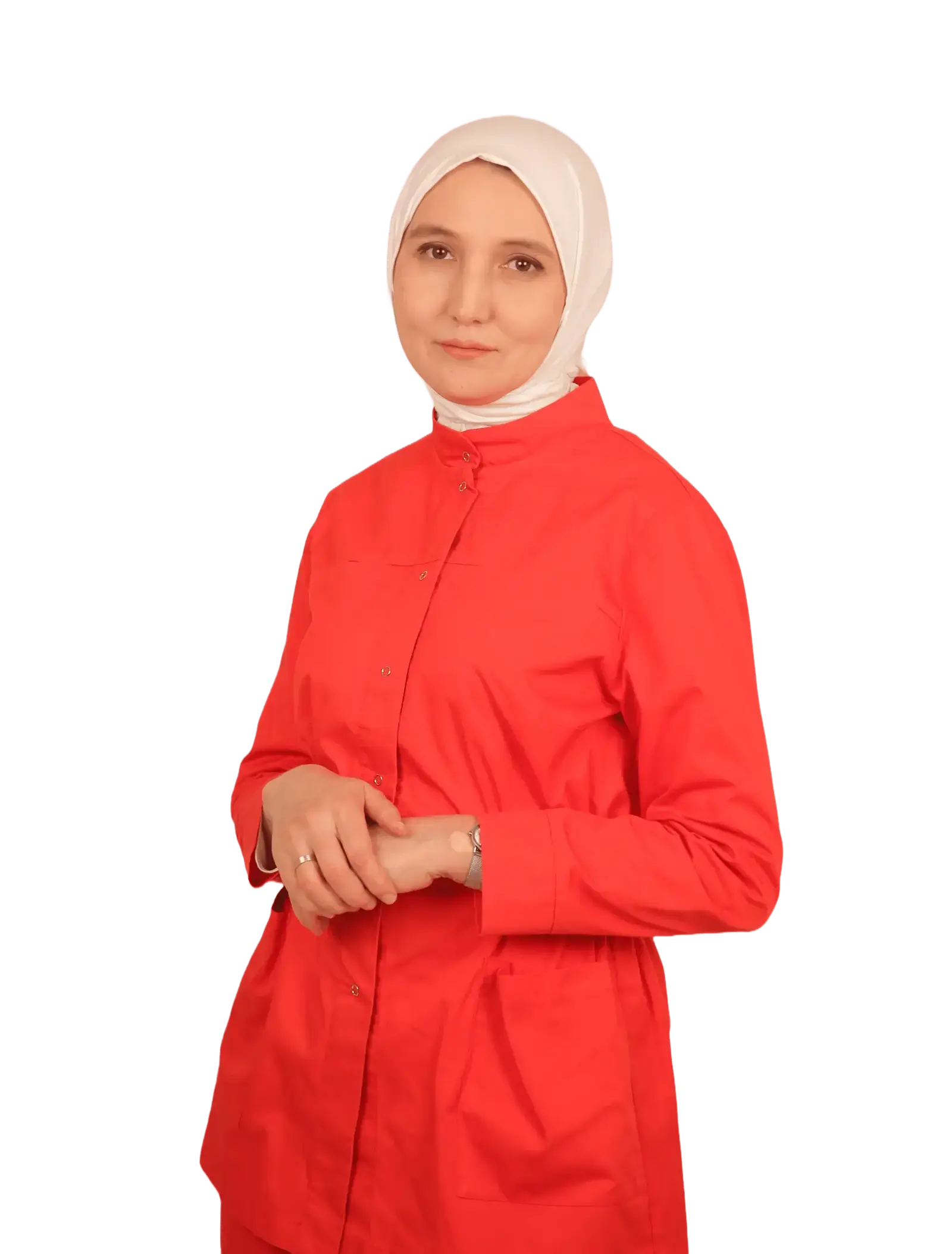
Obstetrician-gynecologist, reproductive specialist
Experience: 14 years

Obstetrician-gynecologist, reproductive specialist
Experience: 10 years
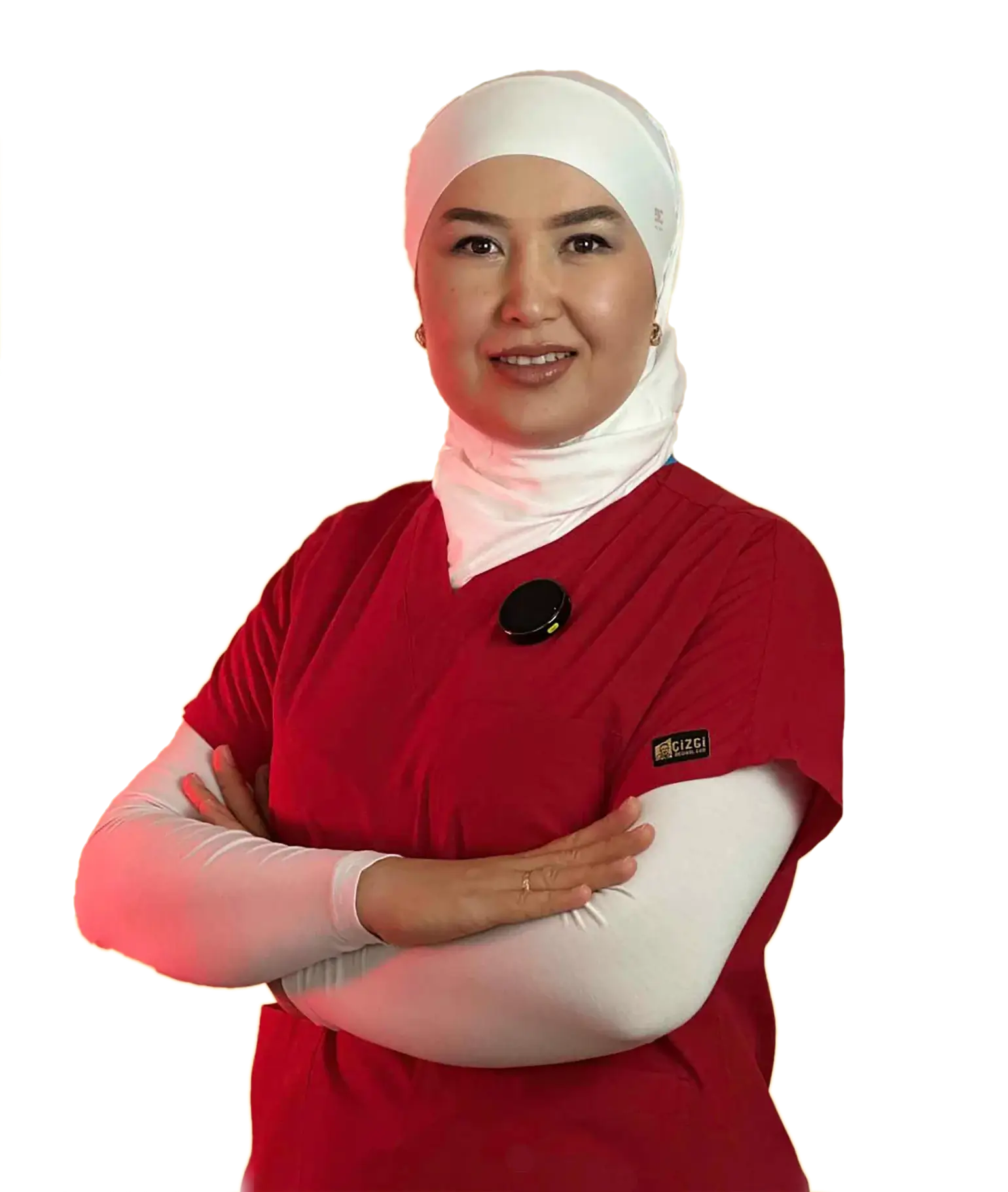
Obstetrician-gynecologist, reproductive specialist
Experience: 10 years

Endocrinologist
Experience: 10 years

Psychologist
Experience: 10 years

Embryologist
Experience: 8 years

Dietitian, nutritionist
Experience: 7 years

Geneticist
Experience: 7 years
Book an appointment
Start your journey to happiness — right now!
Send a request and our specialists will contact you as soon as possible.

Happy reviews
For us there is no better reward than happy parents….
Hello, our dear Surayo Zaripovna!
We are your patients from Nukus. After one frozen pregnancy and waiting for our miracle for 3.5 years, glory to Allah, we were advised to go to your clinic. And in just 3 months of treatment, we got the long-awaited two stripes – our joy was impossible to describe in words. I remember it like yesterday. So a year has passed so quickly: our boy, your grandson, is already a year old! A big boy! Thank you very much for your work, for the fact that you so patiently and confidently led our pregnancy. May Allah grant you health, so that your path always shines, and enemies pass you by. Good luck to you in everything! We will definitely be visiting you soon.
Nukus
Assalamu aleikum, Dilnoza Rakhimova!
I express my deep gratitude to you, Rano Ramazanovna, for your professionalism, sensitivity and support on the way to my dream of becoming a mother! Thanks to your competent approach, attentive attitude and correctly selected treatment, I was able to see the cherished two stripes in a short time.
Thank you for your work, care and sincere desire to help! Now I can say with confidence: miracles happen when such a wonderful doctor is nearby.
Shoira
Assalamu aleikum, Dilnoza Rakhimova!
I, Ganjina Rahmanzoda from Tajikistan, and our family would like to thank you and your clinic “Siz ona bolasiz”. I am very glad that there are such doctors in sunny Tashkent, and I am happy that I met you and got to you for treatment. From the very first day, when you started giving treatment and prescribed tests, as well as how you addressed us and took into account our situation – thank you very much! We did everything as you said, and from the very first course of treatment we managed to get pregnant. Our family was very happy, we waited for this for a long time. Thank you for being there as a doctor. I am immensely grateful to you! You made another family happier.
Ganjina Rakhmanzoda
Clinic news


Answers to Frequently Asked Questions
The question of who is to blame for a couple’s infertility is complex. The causes can lie with either the woman or the man, which is why it’s important for both partners to undergo a full medical examination.
If pregnancy does not occur within one year of regular unprotected intercourse (or within 6 months if the woman is over 35), it is recommended to consult a doctor.
If you’re taking Duphaston and still not conceiving, it’s important to discuss this with your doctor. Additional testing or adjustments to your treatment may be necessary.
Multifollicular ovaries are not a pathology by themselves but may be associated with ovulation disorders.
Stress and sleep deprivation can negatively affect fertility as they may disrupt hormonal balance and overall health.
A balanced diet rich in vitamins, minerals, and antioxidants is recommended. It’s also important to avoid alcohol and smoking.
Yes, regular intercourse increases the chances of conception. It’s recommended to have sex 2–3 times per week.
Having sex only during ovulation may reduce your chances of conceiving. It’s better to maintain regular sexual activity to avoid missing the fertile window.
IVF (in vitro fertilization) is a modern method of treating infertility, in which fertilization of the egg occurs outside the woman’s body. This process may seem complicated, but thanks to the achievements of modern medicine, it is becoming more accessible and effective.
Stages of the IVF procedure:
Preparation:
Specialist consultation: A reproductive specialist will conduct a detailed consultation, collect anamnesis and prescribe the necessary tests.
Ovulation stimulation: The woman is prescribed hormonal drugs to stimulate the growth of several follicles in the ovaries. This increases the chances of obtaining mature eggs.
Monitoring: Regular ultrasound examinations allow you to track the growth of follicles and determine the optimal moment for puncture.
Follicle puncture:
Under light sedation or local anesthesia, follicles containing eggs are removed from the ovaries.
The obtained eggs are placed in a special nutrient medium.
Obtaining sperm:
The man donates sperm.
The sperm are processed to isolate the most active and healthy ones.
Fertilization:
Classical IVF: The eggs and sperm are placed in one Petri dish, where natural fertilization occurs.
ICSI (intracytoplasmic sperm injection): One sperm is injected directly into the egg using a special microneedle. This method is used in cases of male infertility or low efficiency of classical IVF.
Embryo cultivation:
The fertilized eggs (embryos) are placed in an incubator with optimal conditions for development.
After a few days, embryologists evaluate the quality of the embryos.
Embryo transfer:
The selected embryos are transferred into the woman’s uterine cavity using a thin cannula.
The procedure is performed under ultrasound control and usually does not require anesthesia.
Luteal phase support:
The woman is prescribed hormonal drugs to support pregnancy in the early stages.
Pregnancy test:
A pregnancy test is performed 10-14 days after the embryo transfer.
Important questions:
IVF price in Tashkent: The cost of the procedure may vary depending on the clinic, the selected protocol and additional services.
IVF guarantees: IVF does not provide a 100% guarantee of pregnancy. The success of the procedure depends on many factors, including the woman’s age, the quality of the eggs and sperm, as well as the experience of the doctor.
Donor eggs in Tashkent: If the quality of your own eggs is low or the ovaries are exhausted, donor eggs can be used.
IVF ICSI: ICSI is one of the fertilization methods in IVF and is used in cases where natural fertilization is difficult.
Additional information:
Causes of infertility: Infertility can be caused by various factors, both in men and women.
Preparation for IVF in Tashkent: Preparation for the procedure includes not only medical examinations, but also psychological preparation.
Possible complications: Like any medical procedure, IVF may have some complications, which the doctor should warn the patient about.
Important: IVF is a serious decision that requires a balanced approach and careful preparation. Before starting the IVF procedure, you need to consult with several specialists and choose a clinic in Tashkent with a good reputation.
Please note: The information provided in this answer is general in nature and is not a substitute for a consultation with a doctor.
An obstetrician-gynecologist is a doctor who specializes in women’s health. They are engaged in the prevention, diagnosis and treatment of diseases of the female reproductive system, as well as pregnancy and childbirth management.
The main areas of work of an obstetrician-gynecologist:
Pregnancy planning: consultations on preparing for pregnancy, examination, correction of risk factors.
Pregnancy management: regular examinations, ultrasound, monitoring of fetal development, treatment of pregnancy complications.
Childbirth: delivery, assistance to the mother and newborn.
Postpartum period: monitoring the recovery of the woman’s body, prevention of complications.
Treatment of gynecological diseases: inflammatory processes, uterine fibroids, endometriosis, ovarian cysts, cancer, etc.
Contraception: selection of individual methods of contraception.
Menopause: treatment of menopause symptoms, prevention of complications.
When should you see an obstetrician-gynecologist?
Pregnancy planning.
Menstrual irregularities.
Lower abdominal pain.
Unusual vaginal discharge.
Infertility.
Pregnancy.
Why is it important to choose a good gynecologist?
A qualified obstetrician-gynecologist will help maintain women’s health, prevent the development of serious diseases and ensure a favorable pregnancy and childbirth.
Pay attention to the following factors when choosing a doctor:
Education and work experience.
Specialization (endocrine gynecology, oncogynecology, etc.).
Patient reviews.
Modern equipment of the clinic.
Remember, regular preventive examinations with a gynecologist are the key to women’s health!
Additional questions:
Want to learn more about a specific gynecological disease?
Are you interested in the cost of a consultation and examination with a gynecologist in Tashkent?
Want to find the best gynecologist in Tashkent?
Please note: The information provided here is general in nature and is not intended to replace medical advice.
A nutritionist is a specialist in nutrition who studies the effects of food on the human body. They help to choose an individual diet, taking into account the characteristics of the body, lifestyle, goals and preferences of the person.
A nutritionist is a doctor who uses nutrition as a method of treating various diseases. They prescribe diets for patients with certain diagnoses (for example, diabetes, cardiovascular diseases).
What does a nutritionist do?
Nutrition analysis: A nutritionist studies your current diet, identifies imbalances and deficiencies of nutrients.
Creating an individual nutrition plan: Based on the analysis, a personal nutrition plan is developed that takes into account your goals (weight loss, weight gain, health improvement, etc.).
Product consultations: A nutritionist will tell you about the beneficial properties of products, help you choose the best options for your diet.
Working with eating disorders: A specialist can help cope with problems such as overeating, bulimia, anorexia.
Disease prevention: Proper nutrition is the basis of health. A nutritionist can help you prevent the development of many diseases.
When should you see a nutritionist?
If you want to lose or gain weight.
If you have a food allergy or intolerance.
If you want to improve your overall well-being and increase your energy levels.
If you have a chronic disease and want to improve your condition with nutrition.
If you want to create a diet for an athlete.
Clinical Nutrition
Clinical Nutrition is a field of medicine that studies the role of nutrition in the treatment and prevention of diseases. A clinical nutritionist is a doctor who has extensive knowledge in both medicine and nutrition. They can diagnose, prescribe treatment, and develop individual nutrition plans for patients with various diseases.
Important: Before contacting a nutritionist, consult with your doctor.
Additional questions:
What is the price for a nutritionist consultation in Tashkent? The cost of a consultation may vary depending on the region, the specialist’s qualifications, and the duration of the consultation.
How to choose a good nutritionist in Tashkent? Pay attention to education, work experience, patient reviews, and the cost of services.
What online consultations with nutritionists are there in Tashkent? Many nutritionists offer online consultations, which allows you to get help without leaving your home.
Please note: The information provided here is general in nature and does not replace a doctor’s consultation.
A hematologist is a specialist who diagnoses, treats, and prevents diseases of the blood and hematopoietic organs.
What diseases does a hematologist treat?
The range of diseases treated by a hematologist is very wide. The most common include:
Anemia: various types of anemia associated with a lack of hemoglobin or red blood cells.
Leukemia: a group of malignant diseases affecting the hematopoietic system.
Lymphomas: malignant tumors of the lymphatic tissue.
Myeloma: a malignant neoplasm of the plasma cells of the bone marrow.
Blood clotting disorders: hemophilia, thrombosis, etc.
Other diseases: myelodysplastic syndromes, polycythemia, thrombocytopenia, and many others.
When should you see a hematologist?
The following symptoms may be a reason to contact a hematologist:
Weakness, fatigue
Pale skin
Dizziness
Shortness of breath
Frequent bleeding (nosebleeds, gum bleeding)
Appearance of bruises
Enlarged lymph nodes
Increased body temperature
Night sweats
What does a hematologist do during an appointment?
During an appointment, a hematologist collects anamnesis (information about your health and diseases), conducts a physical examination, and prescribes the necessary tests and studies.
What tests does a hematologist prescribe?
A complete blood count: allows you to assess the number of red blood cells, white blood cells, platelets, hemoglobin levels, and other indicators.
Biochemical blood test: to assess the functions of the liver, kidneys, and other organs.
Coagulogram: to assess the blood coagulation system.
Myelogram: bone marrow examination.
Immunophenotyping: to determine the type of cells if cancer is suspected.
Molecular genetic testing: to detect hereditary blood diseases.
Where to find a good hematologist in Tashkent?
To choose a hematologist, it is recommended to contact specialized hematology centers in Tashkent or oncology clinics. You can also use the recommendations of other doctors or friends.
Important: Do not self-medicate! If the above symptoms appear, you must consult a doctor for an accurate diagnosis and appropriate treatment.
Additional information:
Hematology center in Tashkent: a medical institution specializing in the diagnosis and treatment of blood diseases.
Consultation with a hematologist in Tashkent: an initial appointment with a doctor, during which anamnesis is collected, the patient is examined and the necessary tests are prescribed.
Important: timely visit to a hematologist and proper treatment can significantly improve the quality of life and prolong it.
Please note: The information provided here is general in nature and does not replace a doctor’s consultation.
Ultrasound examination (US) in gynecology is a safe and painless diagnostic method that allows obtaining detailed information about the condition of female reproductive organs. It is widely used for:
Assessment of the condition of the uterus and ovaries: determining the size, shape, structure, identifying tumors, cysts, inflammatory processes.
Pregnancy monitoring: assessing fetal development, determining the gestational age, identifying possible pathologies.
Diagnosis of diseases of the uterus and appendages: endometriosis, uterine fibroids, polyps, inflammatory diseases.
Pregnancy planning: assessing the patency of the fallopian tubes, the condition of the endometrium.
What can be seen on an ultrasound in gynecology?
The size and shape of the uterus: assessing its compliance with the norm, identifying pathological changes.
The condition of the endometrium: the inner layer of the uterus, which plays an important role in embryo implantation.
The presence of cysts, tumors: benign and malignant formations in the uterus and ovaries.
Condition of the ovaries: assessment of their size, structure, presence of follicles.
Patency of the fallopian tubes: using special contrast agents.
Location and condition of the internal organs of the small pelvis: bladder, intestines.
Types of ultrasound in gynecology
Transabdominal ultrasound: performed through the anterior abdominal wall, allows you to assess the condition of the pelvic organs as a whole.
Transvaginal ultrasound: performed using a special sensor inserted into the vagina, provides more detailed information about the condition of the uterus and ovaries.
When should you do an ultrasound in gynecology?
When planning a pregnancy in Tashkent: to identify possible obstacles to conception and bearing a child.
During pregnancy: to monitor fetal development, identify pathologies.
If you have complaints: pain in the lower abdomen, irregular menstruation, discharge.
As a preventive examination: it is recommended to undergo an ultrasound 1-2 times a year.
Important: The ultrasound results must be interpreted by a gynecologist. Self-interpretation may lead to incorrect conclusions.
Please note: This information is general in nature and does not replace a doctor’s consultation.
A urologist is a doctor who specializes in the diagnosis, treatment and prevention of diseases of the urinary system in men and women, as well as the male reproductive system.
The spectrum of diseases treated by a urologist is quite wide and includes:
Kidney diseases:
Urolithiasis
Pyelonephritis (kidney inflammation)
Glomerulonephritis
Renal failure
Kidney cysts and tumors
Urinary tract diseases:
Cystitis (bladder inflammation)
Urethritis (inflammation of the urethra)
Urinary incontinence
Urolithiasis
Diseases of the male reproductive system:
Prostatitis (inflammation of the prostate gland)
Prostate adenoma
Impotence
Infertility
Varicocele
Hydrocele
Other diseases:
Tumors of the urinary system
Urinary tract infections
Trauma of the urinary system
When should you see a urologist?
You should see a urologist if you have the following symptoms:
Pain in the lower back, side, or lower abdomen
Frequent or painful urination
Changes in the color or smell of urine
Blood in the urine
Feeling of incomplete bladder emptying
Problems with erection or decreased libido
Pain or discomfort in the scrotum
What happens during a urologist appointment?
During the appointment, the urologist will collect anamnesis (information about your health, complaints), conduct a physical examination, and prescribe the necessary tests and examinations (urine, blood, ultrasound, CT, MRI, etc.).
How to choose a good urologist in Tashkent?
When choosing a urologist, it is recommended to pay attention to the following factors:
Qualification: Pay attention to the education, work experience, and specialization of the doctor.
Patient reviews: Read reviews about the doctor on specialized medical sites or forums.
Clinic reputation: Choose a clinic with a good reputation and modern equipment.
Important: Self-medication of urological diseases can lead to serious complications. When the first symptoms appear, you should consult a specialist.
Additional information:
Urology in Tashkent: There are many urological clinics and centers in Tashkent where you can get qualified help.
Making an appointment with a urologist in Tashkent: You can make an appointment with a urologist either by phone or online.
Please note: The information provided here is general in nature and does not replace a doctor’s consultation.
Surgical gynecology is a specialized field of medicine that deals with the treatment of diseases of the female reproductive system using surgical methods. Gynecological surgeons perform operations of varying complexity, from minor interventions to complex laparoscopic and open surgeries.
When is the help of a gynecological surgeon needed?
Benign neoplasms: uterine fibroids, ovarian cysts, endometriosis.
Uterine diseases: endometritis, endometrial polyps.
Ovarian diseases: inflammatoryUrinary incontinence:** prolapse of the pelvic organs.
Reproductive cancer: cervical cancer, uterine cancer, ovarian cancer.
Types of gynecological surgeries
Minor gynecological surgeries: performed through natural channels, without incisions.
Laparoscopic surgeries: minimally invasive surgeries performed through small punctures in the abdominal cavity.
Open surgeries: more complex interventions that require large incisions.
Why should you see a gynecologist-surgeon?
High qualification: gynecologist-surgeons have deep knowledge in the field of gynecology and surgery.
Modern equipment: the use of the latest technologies allows for operations with minimal trauma and quick recovery.
Individual approach: each patient receives an individual treatment plan.
Who should you contact?
Gynecologist-surgeon in Tashkent: a specialist in the treatment of diseases of the female reproductive system using surgical methods.
Obstetrician-gynecologist in Tashkent: a doctor specializing in women’s health, pregnancy and childbirth.
Important: Do not self-medicate! If any symptoms appear, consult a doctor.
Please note: The information provided here is general in nature and does not replace a doctor’s consultation.
Embryology is a fundamental science that studies the development of an organism from fertilization to birth. It allows us to understand how a single cell develops into a complex multicellular organism.
Why is Embryology Important?
Medicine and Reproductive Sciences:
IVF: Embryology plays a key role in the success of in vitro fertilization (IVF), allowing specialists to monitor the embryo development process and select the most viable ones for implantation.
Infertility Treatment: Understanding the processes of embryonic development helps to develop new methods of infertility treatment and improve their effectiveness.
Preimplantation Genetic Diagnosis (PGD): Embryology has made it possible to perform PGD, which allows us to detect genetic diseases in embryos before they are implanted in the uterus.
Regenerative Medicine: The study of embryonic development opens up new possibilities for tissue and organ regeneration.
Developmental Biology:
Evolution: Embryology helps us track evolutionary changes in the development of organisms.
Genetics: The study of embryonic development provides insight into how genes control development.
Pharmacology:
Drug Development: Understanding embryonic development is important for developing new drugs, especially those that affect the development of the organism.
Terms and Definitions
Histology: The study of tissues, their structure and function. Often used in conjunction with embryology to understand tissue development.
General Embryology: The study of the basic patterns of embryonic development in different animal species.
Embryo NGS: Next-generation sequencing (NGS) is used to analyze the genetic material of an embryo, allowing the detection of chromosomal abnormalities and genetic diseases.
Embryo Storage, Sperm Freezing, Sperm Banking, Sperm Banking, Oocyte Banking: These are methods of cryopreserving (freezing) gametes and embryos for later use.
ICSI after Oocyte Banking: Intracytoplasmic Sperm Injection (ICSI) is a fertilization technique whereby sperm is injected directly into the egg. After Oocyte Banking, ICSI is used to fertilize thawed eggs.
Why are these techniques needed?
Delaying Motherhood: Cryopreservation allows women to postpone motherhood until a more suitable time.
Fertility Preservation: Cryopreservation is used to preserve fertility in patients undergoing cancer treatment or other procedures that may affect fertility.
Multiple IVF Attempts: Frozen embryos can be used for multiple IVF attempts, increasing the chances of pregnancy.
Genetic Diversity: Sperm and oocyte banking provide the opportunity to select a donor with specific genetic characteristics.
Please note: The information provided here is of a general nature and is not a substitute for medical advice.
An endocrinologist is a specialist who diagnoses, treats and prevents diseases associated with dysfunction of the endocrine system. This system is responsible for the production of hormones that regulate almost all processes in the body.
What exactly does an endocrinologist examine in women?
Patient complaints: The doctor will listen carefully to all your complaints related to possible hormonal disorders:
Menstrual irregularities
Problems with skin, hair, nails
Weight changes
Increased fatigue
Sleep disorders
Mood changes
Heart palpitations
Increased sweating
And many others
Anamnesis: The doctor will collect a detailed anamnesis, that is, information about your health, past illnesses, heredity and lifestyle.
Physical examination: Will conduct an examination, paying special attention to:
Thyroid gland
Lymph nodes
Skin
Weight and height
Blood pressure
Pulse
Laboratory tests: Will prescribe the necessary blood and urine tests to determine the level of hormones, glucose, cholesterol and other indicators.
Instrumental studies: If necessary, can prescribe an ultrasound of the thyroid gland, adrenal glands, pelvic organs, MRI, CT and other studies.
What diseases does an endocrinologist treat in women?
Thyroid diseases: Hypothyroidism, hyperthyroidism, nodular goiter, autoimmune thyroiditis.
Diabetes mellitus and carbohydrate metabolism disorders.
Menstrual cycle disorders: Anovulation, polycystic ovary disease.
Obesity and metabolic syndrome.
Osteoporosis.
Adrenal diseases: Addison’s disease, Cushing’s syndrome.
Prolactinomas and other pituitary tumors.
Hormonal infertility.
A gynecologist-endocrinologist is a specialist who combines knowledge in the field of gynecology and endocrinology. He deals with the diagnosis and treatment of female diseases associated with hormonal disorders, such as:
Endometriosis
Uterine fibroids
Early menarche or late menopause
Sexual development disorders
How to choose a good endocrinologist in Tashkent?
Recommendations: Ask your friends, general practitioners or gynecologists for recommendations.
Reviews: Read reviews about doctors on specialized medical forums and websites.
Qualifications: Find out about the doctor’s qualifications, work experience and specialization.
Clinic reputation: Choose a clinic with a good reputation and modern equipment.
Important: Self-medication of hormonal disorders can lead to serious complications. If the first symptoms appear, consult an endocrinologist for diagnosis and treatment.
Please note: The information provided here is general in nature and does not replace a doctor’s consultation.