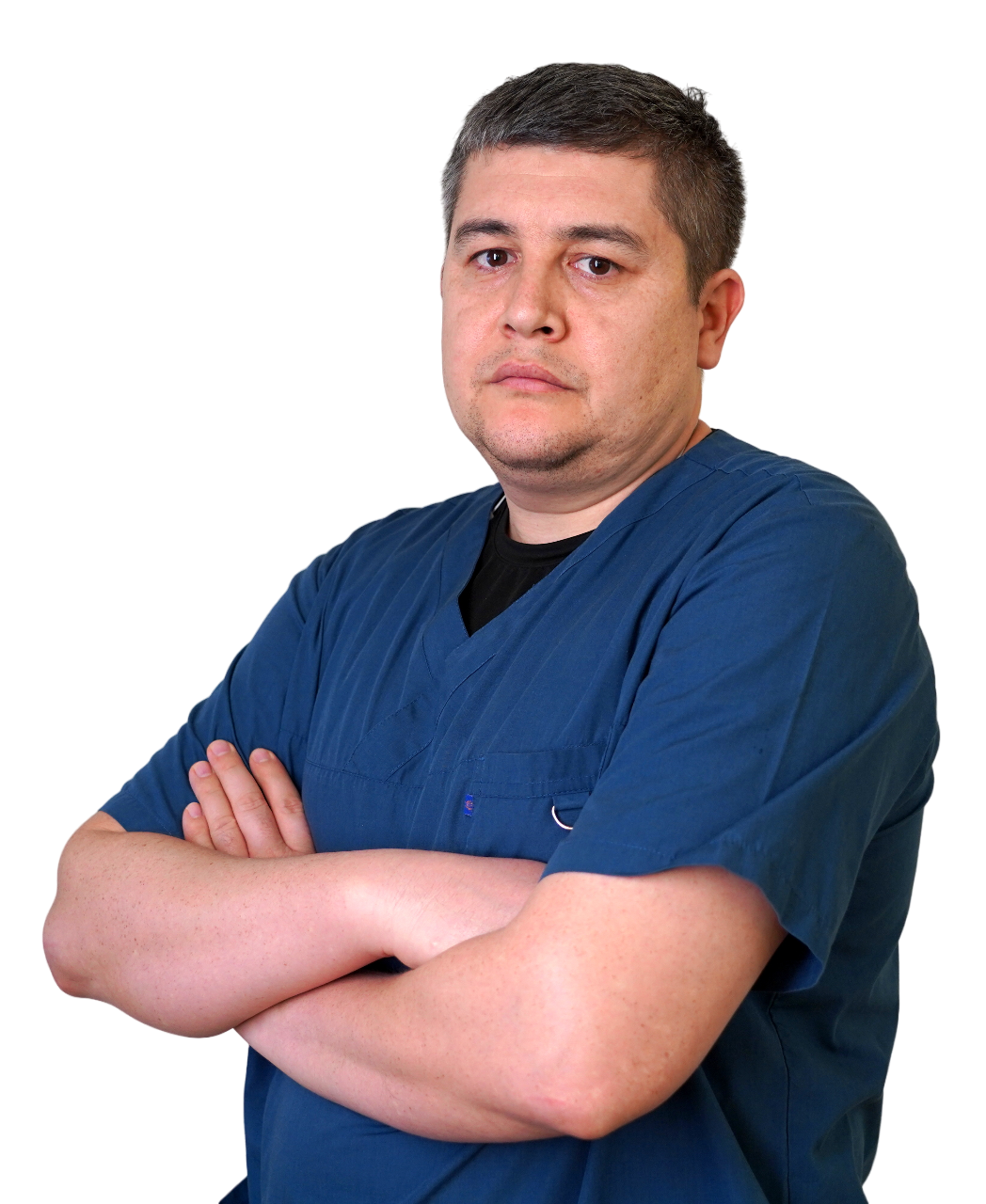
Endosurgeon
Experience: 18 years

A gynecologist-surgeon treats conditions of the female reproductive system that require surgical intervention. These can include various benign and malignant tumors, endometriosis, uterine fibroids, ovarian cysts, ectopic pregnancies, and other conditions. A consultation with a gynecologist-surgeon is necessary if you experience lower abdominal pain, menstrual irregularities, or if a tumor is suspected.
Our clinic’s highly qualified physicians possess the extensive experience and expertise necessary to perform complex surgical procedures. If you notice symptoms that require a consultation with a surgeon or gynecologist-surgeon, don’t delay. You can schedule an appointment on our website.
Before any surgical procedure, a comprehensive diagnostic examination is necessary. This is important so the doctor can assess the patient’s overall condition and minimize risks during surgery. Our clinic offers various diagnostic tests to help prepare for surgery:
Preparing for surgery begins with a consultation with a surgeon, who will develop a personalized examination plan. It’s important to follow all the specialist’s recommendations to ensure a successful surgery with minimal health risks.
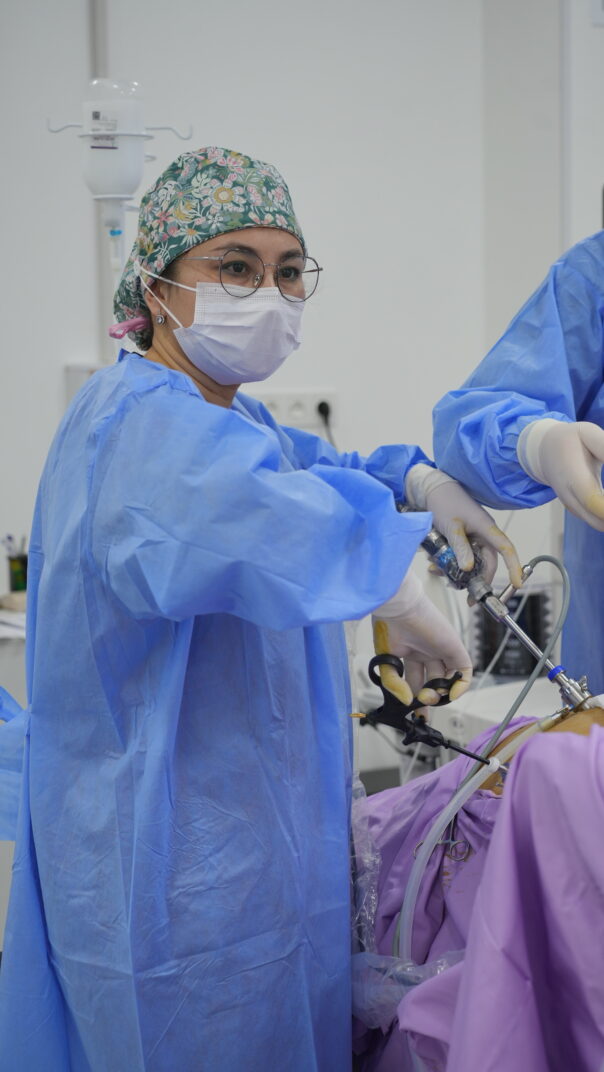
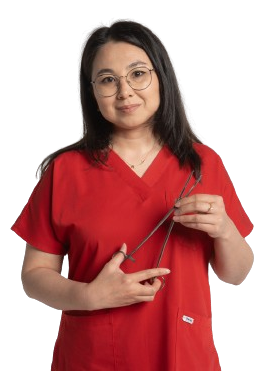
Urological Surgeries
| Service Name | Service Fee (UZS) |
| TESE, TESA, MESA (surgery, sperm cryopreservation and storage, 2-hour ward stay) | 8,000,000 |
| Micro-TESE | 12,380,000 |
| Surgical treatment of varicocele | 5,000,000 |
| Ovarian PRP | 20,000,000 |
Hysteroscopy / Hysteroscopic Resection
| Service Name | Service Fee (UZS) |
| Hysteroscopy – complexity level 1 | 5,250,000 |
| Hysteroscopy – complexity level 2 | 5,750,000 |
| Hysteroscopy – complexity level 3 | 6,250,000 |
| Hysteroscopy – complexity level 4 | 6,750,000 |
| Additional fee for hysteroscopy | 500,000 |
| Medical device Semikal Barrier Gel 3 ml | 900,000 |
Laparoscopy
| Service Name | Service Fee (UZS) |
| Laparoscopy – complexity level 1 | 12,000,000 |
| Laparoscopy – complexity level 2 | 13,000,000 |
| Laparoscopy – complexity level 3 | 14,000,000 |
| Laparoscopy – complexity level 4 | 15,000,000 |
| Additional laparoscopy fee | 500,000 |
| Laparoscopic PRP management | 28,000,000 |
| Laparoscopic PRP management (complexity level 2) | 30,000,000 |
| Medical device Semikal Barrier Gel 5 ml | 1,700,000 |
Reproductive Surgeries
| Service Name | Service Fee (UZS) |
| Ovarian cyst puncture | 3,000,000 |
| Ovarian PRP via vaginal approach | 5,600,000 |
| Ovarian PRP via vaginal approach (partial) | 19,000,000 |
| Ovarian PRP via vaginal approach (full) | 23,000,000 |
Obstetric Procedures
| Service Name | Service Fee (UZS) |
| Obstetric cerclage | 2,500,000 |
| Chorionic villus biopsy | 3,000,000 |
| Amniocentesis | 3,000,000 |
Plastic Gynecological Surgery
| Service Name | Service Fee (UZS) |
| Perineolevatoroplasty with anesthesia | 5,200,000 |
| Labiaplasty | 7,500,000 |
| Vaginal septum incision (colpotomy) | 4,000,000 |
Gynecological Surgeries
| Service Name | Service Fee (UZS) |
| IUD removal using hook | 1,500,000 |
| Removal of cervical canal polyp (with forceps) | 2,000,000 |
| Removal of prolapsing myomatous node | 2,500,000 |
| Cervical canal dilation using Hegar dilators | 2,500,000 |
| Vaginal cyst removal | 5,200,000 |
| Excision of endometriotic lesion of the anterior abdominal wall | 9,000,000 |